
High blood pressure/hypertensive eye exams are a key component of maintaining ocular health and preventive eye care. If you’re wondering how to check eye blood pressure, this type of exam is one of the most effective ways to evaluate the impact of hypertension on your eyes.

Your eyes have numerous tiny blood vessels. High blood pressure can affect the eyes by exerting too much force on these delicate structures. Left untreated, high blood pressure, or “hypertension,” can lead to many other dangerous health implications, especially for those with certain risk factors like:

  • Age
  • Family history
  • Smoking
  • Chronic stress

High blood pressure damages the small, delicate tubes that supply blood to your retinas. Because a hypertensive body strains the circulatory system and the organ systems, it’s important to monitor any long-term complications in the blood vessels and nerves.

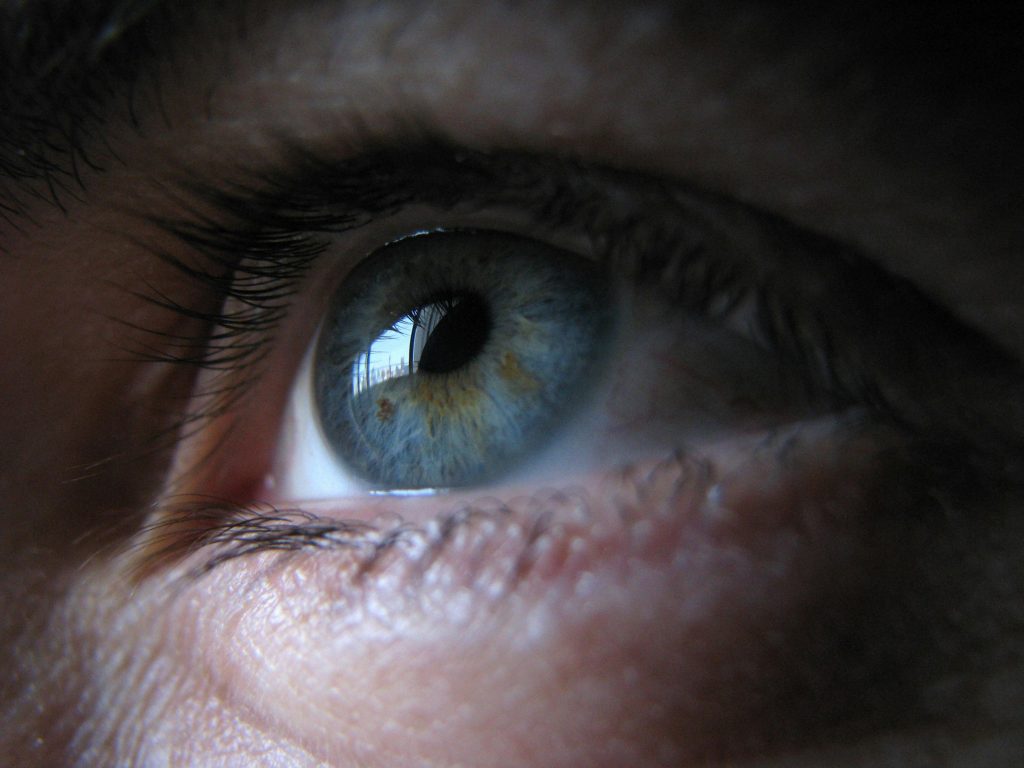
How Hypertension Can Damage Your Vision

Over time, hypertension can develop into other health complications, increasing the risk of developing:

  • Heart attack
  • Stroke
  • Irregular heartbeat
  • Kidney damage or failure
  • Blood clots
  • Hardening of the arteries
  • Deteriorated cognitive functions

This long-term damage to the eyes’ blood vessels can lead to blocked blood flow to the retina, known as hypertensive retinopathy — a common concern during a hypertension eye exam.

The retina acts like a water funnel, catching all the light entering your pupils. This funnel receives and converts all the light signals and then transmits them to the brain via the “garden hose” of the optic nerve. So, no blood flow means you can’t collect as much “water” as you need.

Without blood flow, your body tries to repair itself by growing new blood vessels. However, without normal blood flow, these new blood vessels are less healthy or effective. Sometimes they leak or rupture, which can leave damaging scar tissue.

A leak or rupture can cause fluid to build up behind the retina, which affects its performance. This fluid buildup, called “choroidopathy,” acts like pinching the bottom end of the funnel. This “pinching” prevents the retina from effectively sending light signals to the brain — contributing to high blood pressure sight problems.

Optic nerve damage is also possible. If your eyes can’t grow strong, stable blood vessels, this reduces blood flow in the surrounding tissues. In turn, this is what can kill nerve cells in the eyes. You might imagine it as “stepping on the garden hose.” High blood pressure eye redness and vision loss may result.

What Our High Blood Pressure/Hypertensive Eye Exams Look For

During our licensed eye doctors’ comprehensive yearly exams — a vital part of ongoing eye care — we look for warning signs and risk factors that could indicate progressive eye disease. These are all signs that may be uncovered during an eye exam for hypertension.

  • Narrowness of blood vessels
  • Any fluid leaking from blood vessels
  • Thickening of blood vessel walls
  • Swelling of the macula and optic nerve
  • Blood in the eyes’ normally clear vitreous humor

What To Expect During Pupil Dilation

The dilation process is not painful. We administer drops to the eyes, and the drops take 15 to 30 minutes to open the pupils.

Then, our eye doctors perform a thorough examination of the retina and optic nerve. Side effects include:

  • Sensitivity to light
  • Blurred vision
  • Side effects may last three to four hours

Hypertension Treatment Options

Before taking further steps, it’s important to first lower high blood pressure. This reduces strain on the blood vessels, the retina and the optic nerve.

Cataract surgery is the only real way to treat this progressive eye disease.

Fortunately, cataract surgery is a safe, painless procedure. Your eye doctor replaces the degraded, cloudy lenses with artificial lenses.

Why Are Hypertensive Retinopathy Exams So Important?

Eye exam hypertension screenings can detect early signs of vision problems caused by high blood pressure, even before symptoms appear. Eye and vision problems don’t always have obvious symptoms or signs, but a licensed optometrist can easily diagnose them with hypertensive eye exams.

By detecting eye and vision problems early, we can provide preventive treatment options and — in many cases — restore or prevent vision loss. If you’re looking for a reliable Houston eye exam to monitor high blood pressure-related eye health, CustomEyes is here to help.